Noticias

Construcción
05 June 2025
·
Time
min.


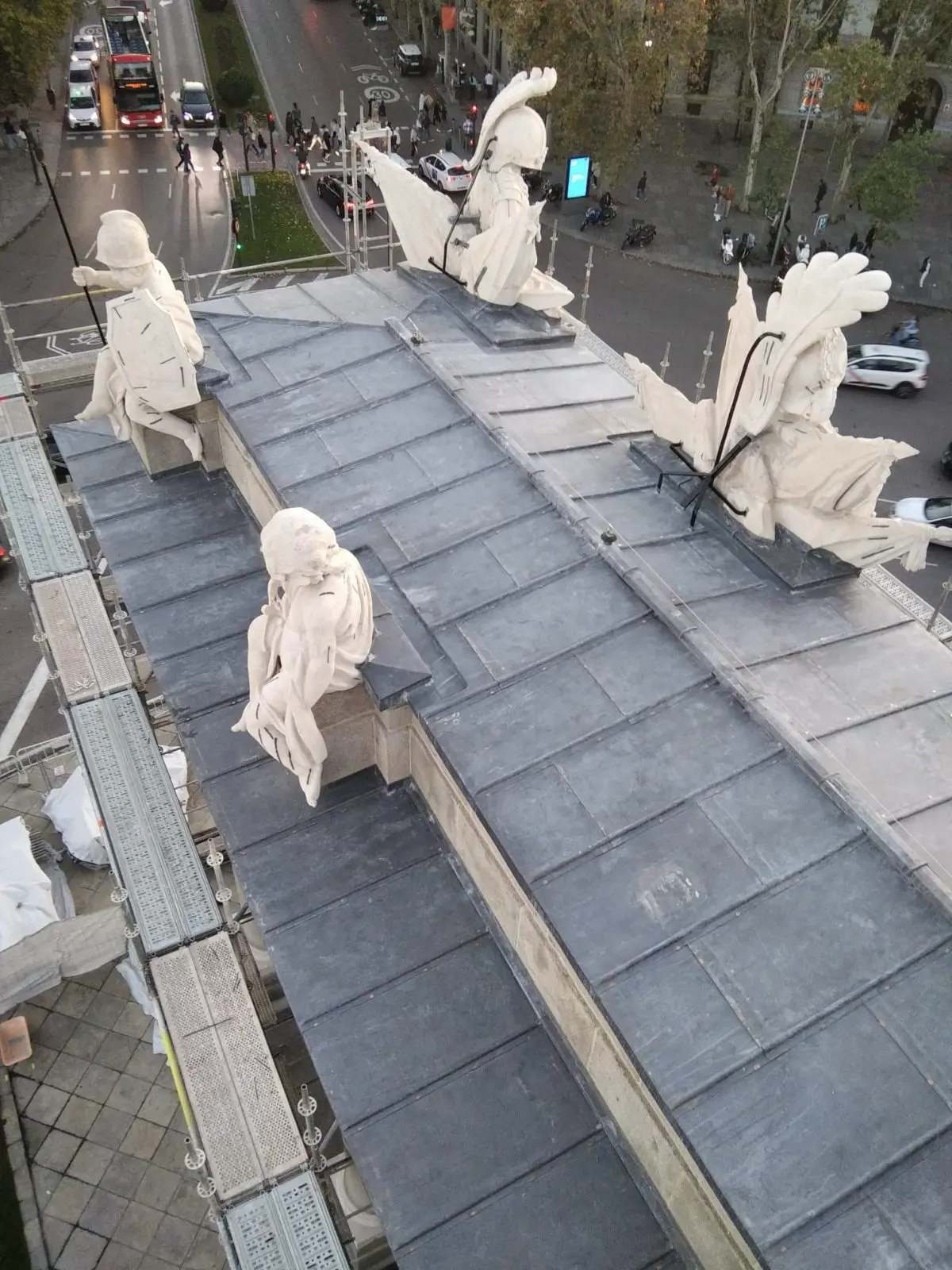
The communication of the historical and cultural heritage it is a task that goes beyond reporting data. It's about awakening in the public a emotional and reflective experience that allows us to understand and value the past, its stories and its impact on our present. This way of communicating, known as Interpretation of heritage, has become a fundamental tool for ensuring that heritage is not only preserved, but also lived and felt.
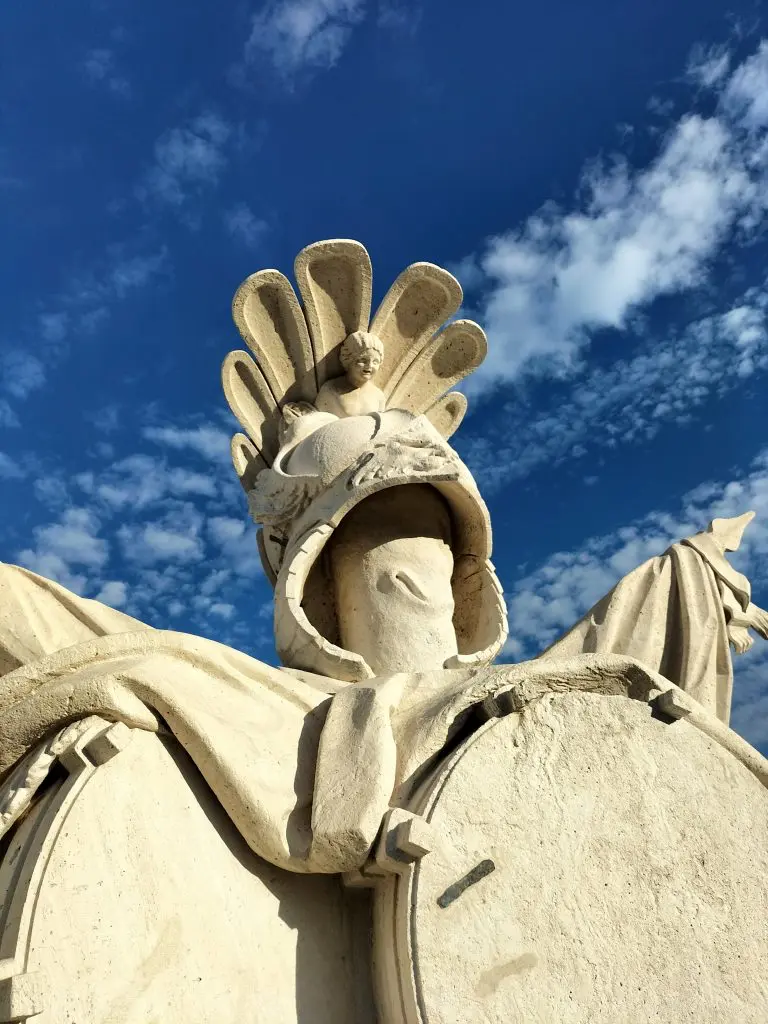
In a world where information overload is constant, cultural interpretation seeks to offer clear, close and meaningful messages, using innovative and accessible formats that facilitate the public's connection with the spaces and objects that make up our history.
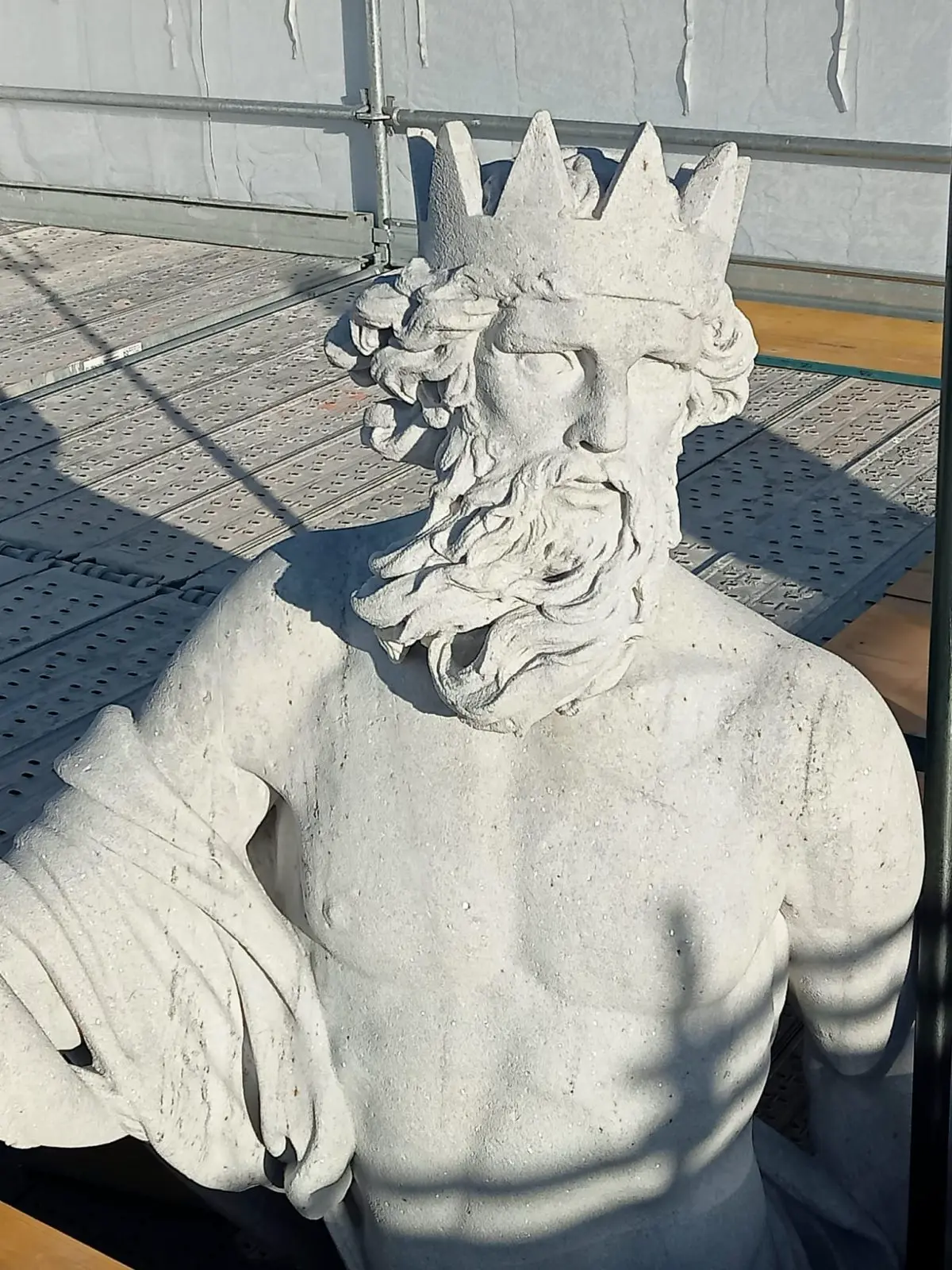
La Interpretation of heritage it is not simply the transmission of information, but the creation of a story that invites reflection and emotion. Its purpose is to build a bridge between those who visit a place or know an object and the profound meaning it holds. Instead of just offering cold data, it seeks to make the public feel that they are part of a living story, that touches and inspires them.
This methodology isIt originated in natural parks in the United States and has expanded to encompass museums, cultural routes, historic buildings and public spaces. Today, with the help of digital technologies, interpretation adapts to new audiences and contexts, allowing for a more immersive and personalized experience.
Freeman Tilden, one of the pioneers in this discipline, established principles that yet They guide the interpretation of heritage:
These principles ensure that patrimonial communication is an active process, which transforms the way in which people relate to heritage.
Interpretation today takes place in multiple formats, from guided tours and workshops to podcasts, videos and social networks. The key is to design content that is attractive, educational and participatory, who invite the audience to be part of the story.
Thanks to technology, now anyone can contribute to heritage dissemination using tools as accessible as a smartphone. However, for these contents to have value and respect heritage, it is important to follow principles that guarantee rigor, creativity and respect.
Create heritage content with a mobile phone It is increasingly common, but doing so meaningfully requires applying certain guidelines:
More than informing, interpretation seeks to transform perception and generate a commitment to heritage. This is key to conservation, because only what feels close and valuable is protected.
For this reason, interpretation is a powerful tool for educating without imposing, for inviting discovery and respect, and for making heritage an active part of daily life.
Interpreting heritage is much more than transmitting information; is to build stories that thrill and educate, that connect the past with the present and that bring people closer to their cultural environment. In a context where heritage may seem distant or inaccessible, this meaningful communication makes it a living and shared experience.
Today, with digital tools available to everyone, we have the opportunity to make heritage interpretation more effective democratic, creative and meaningful. It is a way for history not only to be preserved, but to inspire and form part of our collective identity.