Noticias

Sostenibilidad
26 June 2024
·
Time
min.


The energy retrofitting is not just a renovation; it's a profound transformation and necessary for our buildings, focused on drastically reducing CO2 emissions and moving towards a sustainable energy transition. This process is crucial for adapting our structures to current and future environmental challenges, ensuring that each space is more efficient, while also being more respectful of the planet.

Energy retrofitting for buildings or homes represents a highly profitable investment in the long term, bringing with it a series of tangible benefits for both owners and occupants:
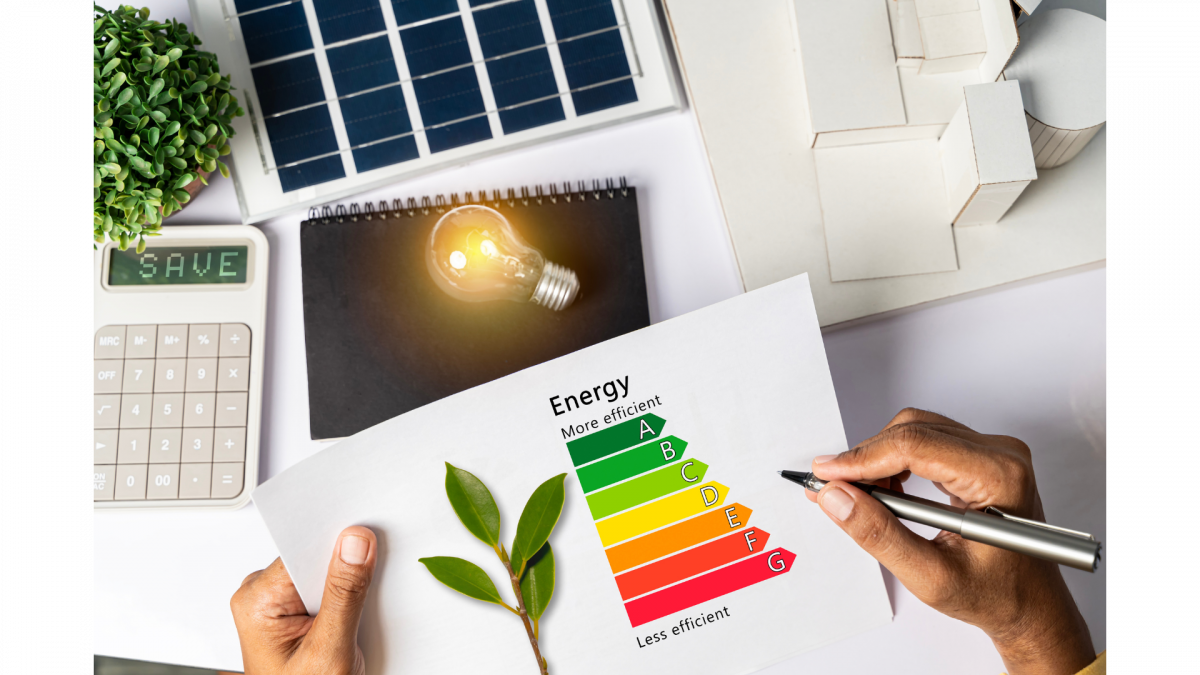
Interventions classified as energy retrofitting are those that achieve a significant reduction, at least 30%, in non-renewable primary energy consumption, or that manage to raise the building's energy rating to an "A" or "B" class. It is essential to have an energy efficiency certificate updated, issued by a competent technician before and after the works, to verify these advancements.
Airtightness acts like the building's skin, controlling the entry and exit of air to prevent unwanted drafts. Although some constructions might seem to benefit from poorly sealed joints to 'improve' ventilation, in reality, good airtightness is fundamental for any construction aiming to be energy efficient.
Insulation is crucial for limiting heat transfer between the interior and exterior of a building. Depending on the location, orientation, and materials used in construction, insulation efficiency can vary significantly. Reinforcing thermal insulation is one of the most effective steps in any energy renovation, encompassing improvements to floors, roofs, facades, and interior partitions.
An efficient ventilation system is vital for minimizing energy consumption. Ideally, installed systems should not only provide an adequate flow of fresh air but also effectively manage stale air extraction and humidity control. Options include hybrid ventilation, which combines natural and mechanical mechanisms depending on climatic conditions, and mechanical ventilation, which relies entirely on electromechanical devices to renew the air.
Thermal bridges refer to those areas, whether point or linear, where thermal resistance is interrupted, facilitating heat transfer. These areas lead to energy losses that negatively impact both insulation and the building's overall energy efficiency.
The objectives of the European Green Deal state that by 2050, a carbon-neutral footprintmust be achieved. To accomplish this, both consumption habits and the facilities of many properties need to adapt to new energy efficiency standards. Although energy retrofitting of existing buildings is not currently mandatory, this may change in the coming years. In Spain, the goal for 2030 is for 30% of buildingsto meet the requirements of the energy retrofitting plan, a somewhat less ambitious goal than that of the European Union, which aims for higher figures.
The current situation in Spain presents a worrying picture: only 16% of buildings have an energy efficiency label better than E, F, and G. Even more alarming is the fact that barely 0.30% of properties boast the highest energy rating, i.e., labels A or B. These statistics highlight the urgent need to implement a national energy renovation plan to improve building efficiency.
The energy renovation of buildings is much more than a simple structural improvement; it is an essential strategy to promote sustainability, efficiencyand well-being. Through a series of carefully planned measures, we can not only optimize energy use and improve the quality of life of those who occupy these spaces, but also make a significant contribution to the environmental protection.
With the goals of the European Green Deal and current challenges in Spain, adopting energy renovation practices is becoming increasingly crucial. This transformation helps reduce carbon emissions, in addition to lowering energy costs, increasing property value, and ensuring greater energy independence, providing long-term stability and sustainability.