News

Construction
17/08/2026
·
Time
min.


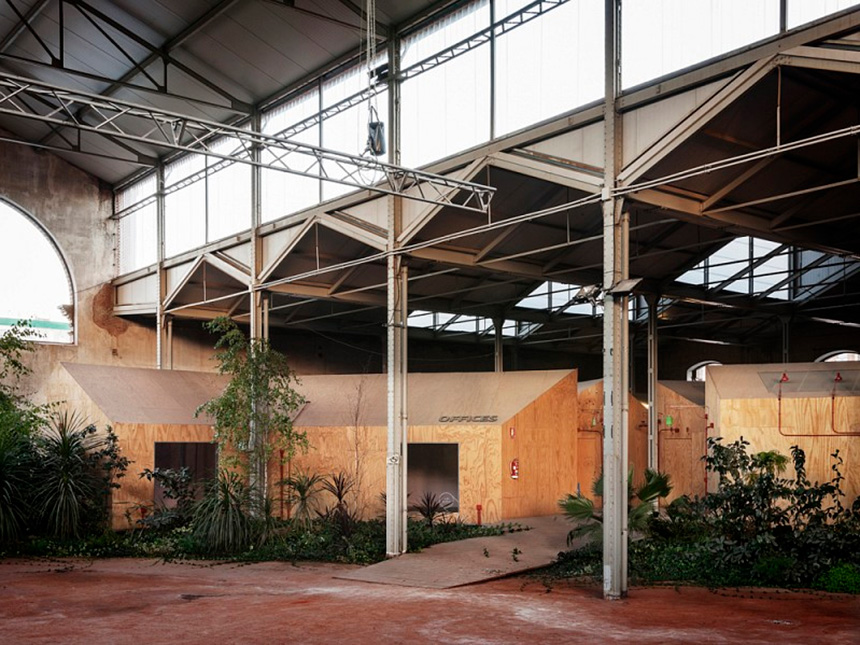
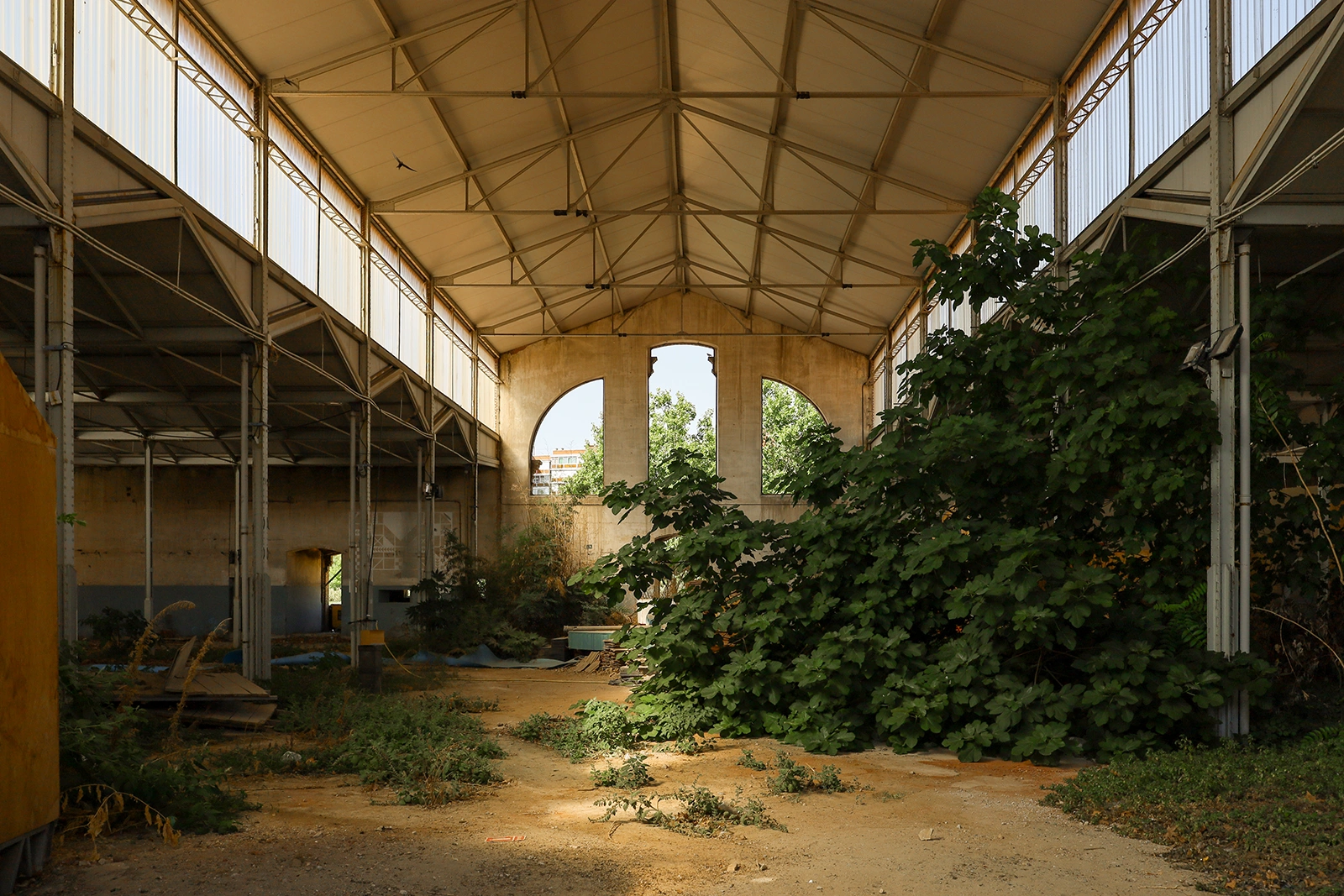
Some projects stand out for their scale and others for the story they tell. The recent reopening of Nave 15 at Matadero Madrid, on the occasion of the third edition of MIAD (Madrid Inside Art & Design), belongs to the second category.
At Fernández Molina we found this news particularly interesting because it invites reflection on a question that goes beyond architecture itself: what makes a space remain valuable many years after it was designed to disappear?
An intervention designed to be ephemeral
The origin of this story dates back to 2011, when the Fukushima earthquake and tsunami forced the Red Bull Music Academy to be urgently relocated from Japan to Madrid.
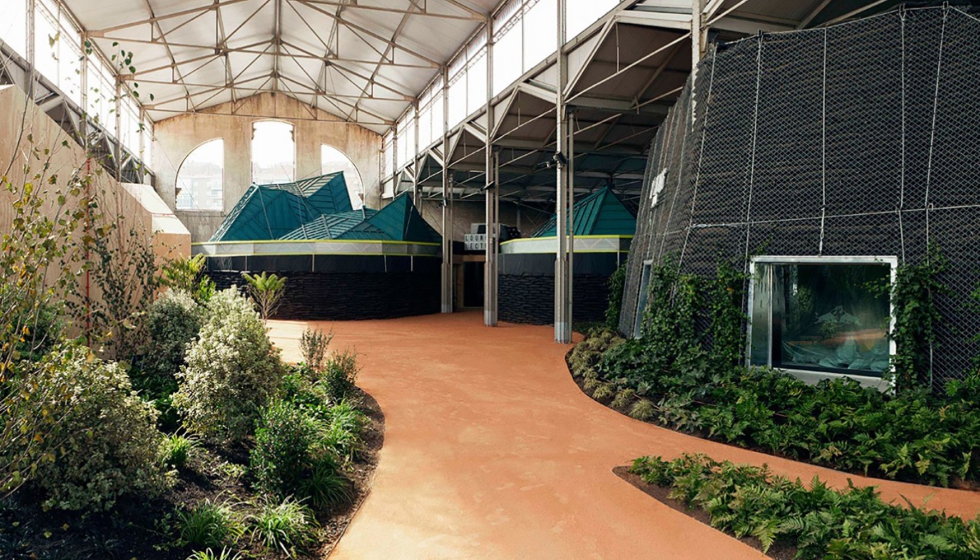
The Langarita-Navarro studio was then commissioned to transform Nave 15 through a fully demountable intervention that would entirely respect the existing building.
The proposal was built with small plywood structures, sandbags used as insulation and a route that transformed the interior of the warehouse without altering its original architecture.
Although the project was designed to remain only for the duration of the event, the installation was never dismantled and the space stayed closed until it was recovered for MIAD.
When architecture outlives its own expiry date
The reopening of Nave 15 highlights a reality that is increasingly present in contemporary architecture: the ability of buildings to evolve and accommodate new programmes without starting from scratch.
The adaptation carried out for MIAD keeps the essence of the original intervention and shows how a space designed for temporary use can continue to offer value many years later through an approach that respects its identity.
This way of intervening connects with a growing trend in the sector, in which the rehabilitation, reuse and adaptation of existing buildings play an increasingly important role compared with replacing what has already been built.
A reflection for the sector
Beyond the architectural interest of the project, the recovery of Nave 15 raises a fundamental question: the quality of an intervention does not depend only on how long it was designed to last, but on its ability to remain useful and respond to new needs over the years.
Building to last also means creating buildings that can evolve without losing what gives them meaning.
Our view
The recovery of Nave 15 shows how an intervention designed for temporary use can continue to add value many years later when it has been designed with judgement and respect for the existing space.
At Fernández Molina we follow this kind of project with interest because it reflects an approach to architecture that is increasingly present in the sector: recovering, adapting and extending the service life of existing buildings rather than replacing them. Reusing built heritage not only helps preserve its identity, but is also a more efficient and responsible way of intervening in our cities.
Stories like that of Nave 15 show that an architecture's ability to evolve over time is, today more than ever, one of its greatest values.
This reflection is based on the article "MIAD abre las puertas de esta joya enterrada que Madrid olvidó durante quince años", published by Manera Magazine, and on the project developed by the Langarita-Navarro studio for the Red Bull Music Academy at Matadero Madrid.