Noticias

Sostenibilidad
30 October 2024
·
Time
min.


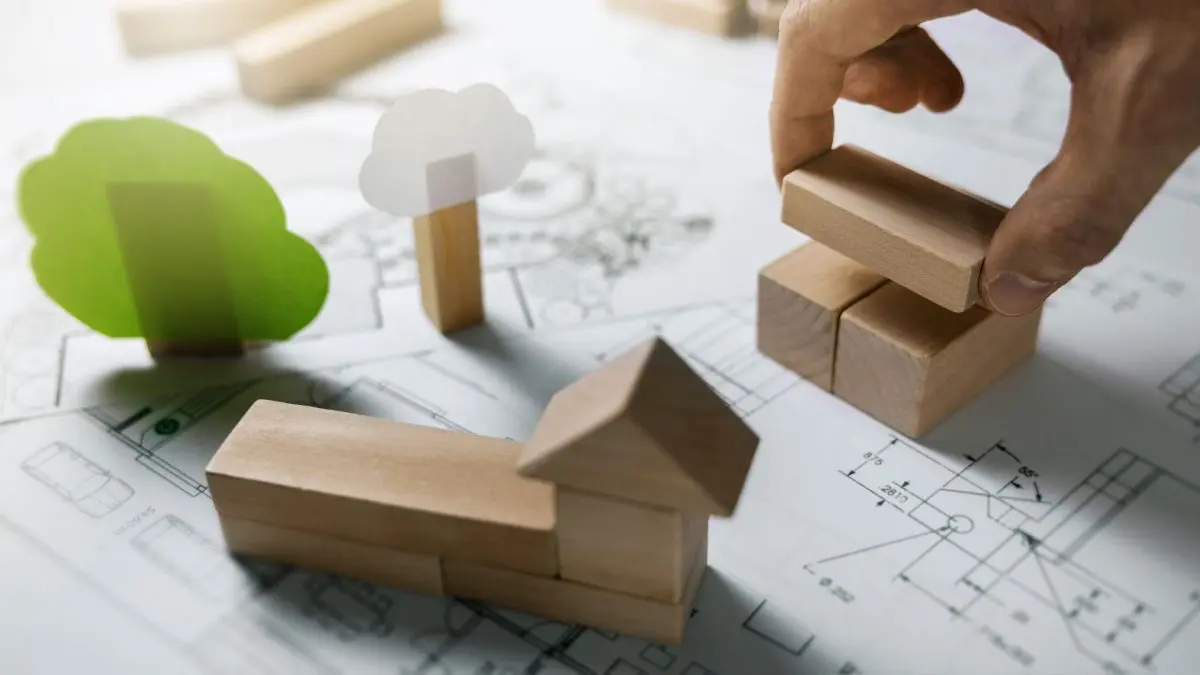
In a world increasingly aware of environmental impact, sustainable construction has become a priority. Using sustainable materials not only contributes to planetary care but is also a smart choice for building spaces with greater energy efficiency, comfort, and durability. In this article, we will explore the most important sustainable materials, their impact on building construction and renovation, and how their use can generate long-term savings.
.webp)
The sustainable materials are those that, due to their origin, production process, durability, and recyclability, generate a reduced environmental impact. They are obtained from renewable or recycled sources, and their extraction, manufacturing, and transport minimize resource consumption and polluting emissions. From certified timber to recycled materials, these products are key to reducing the carbon footprint in construction
Adopting sustainable materials in the construction sector offers not only ecological benefits but also economic and social ones. Incorporating them allows for:
The importance of using these materials also extends to the renovation of old buildings, where they can be used to update construction systems with eco-friendly and efficient materials.
Wood is one of the most traditional materials in construction, and when sourced from sustainable origins with FSC or PEFC certification, it becomes an excellent choice. Certified wood is sourced from responsibly managed forests, where logging is controlled and new trees are planted to maintain balance. This material is versatile, durable, and has a low environmental impact, making it ideal for structures, finishes, and indoor furniture.
Concrete is a widely used material, but its production is responsible for a large portion of CO₂ emissions. To address this, alternatives such as eco-friendly concrete, which incorporates recycled materials and manufacturing techniques that reduce emissions. This type of concrete can include fly ash, blast furnace slag, or natural fibers, making it a more ecological option without losing its strength and durability properties.
The choice of eco-friendly paints is essential for creating healthy environments inside buildings. These paints are free from volatile organic compounds (VOCs), which are chemical substances harmful to health and the environment. Eco-friendly paints use natural pigments and biodegradable resins, improving air quality and minimizing environmental impact during the production process.
Good insulation is key to the energy efficiency of any building, and there are natural insulators such as sheep's wool, cork, or hemp that offer exceptional performance. These materials not only provide thermal insulation but are also capable of absorbing moisture and acting as indoor climate regulators. Being biodegradable, natural insulators reduce waste at the end of their lifespan.
In sustainable construction, bamboo is emerging as a prominent material due to its rapid growth and high renewal capacity. It is an extremely durable and flexiblematerial, ideal for structures and interior finishes. Furthermore, its cultivation does not require intensive use of water or fertilizers, making it an ecological option, especially in tropical climates.
Recycled glass is another popular option in sustainable construction. It can be used in windows, facades, floors, and countertops, providing brightness and a modern style. Being largely composed of recycled glass, its production requires less energy and generates fewer CO₂ emissions. Furthermore, it can be reused multiple times, adapting to innovative architectural projects.
Adobe ,a material used since ancient times, is made from a mixture of mud, water, and natural fibers like straw. Adobe bricks are an economical and sustainable alternative, especially in warm areas, as they offer excellent thermal insulation. Their production does not require fossil fuels or complex processes, resulting in a minimal carbon footprint.
The cement is a basic material in construction, but its production is energy-intensive and generates high CO₂ emissions. The low-carbon cement uses advanced additives and production techniques to reduce its impact. This alternative is particularly valuable in large infrastructure projects where cement is indispensable, such as bridges and high-rise buildings.
The geopolymers are an innovation in the sustainable construction materials sector. They are produced from industrial waste and mineral byproducts, offering an alternative to traditional cement with a lower environmental impact. Geopolymers are not only more sustainable but also offer comparable strength and durability to cement, positioning themselves as a promising option for the future of construction.
Renovating old buildings with sustainable materials is an effective way to reduce the sector's carbon footprint. By using recycled and eco-friendly materials, buildings are not only restored with a lower environmental impact, but they are also given a more efficient second life. Furthermore, sustainable materials help improve energy efficiency in building renovation, which is crucial for adapting them to modern sustainability standards.
The transition to using sustainable materials in construction is key to reducing the industry's environmental impact and creating healthier, more efficient spaces. As the demand for eco-friendly constructions continues to grow, sustainable materials are positioned as the future of responsible and planet-friendly building. Choosing them not only contributes to a circular economy, but it's also an investment in energy efficiency and long-term comfort.
At Fernández Molina, we believe that the path to a sustainable future depends on the materials we choose for construction, and every choice is an opportunity to contribute to a healthier, more livable planet. By opting for these materials, we are building today the responsible spaces that will be the norm tomorrow.
.webp)


