News

Construction
16/07/2026
·
Time
min.


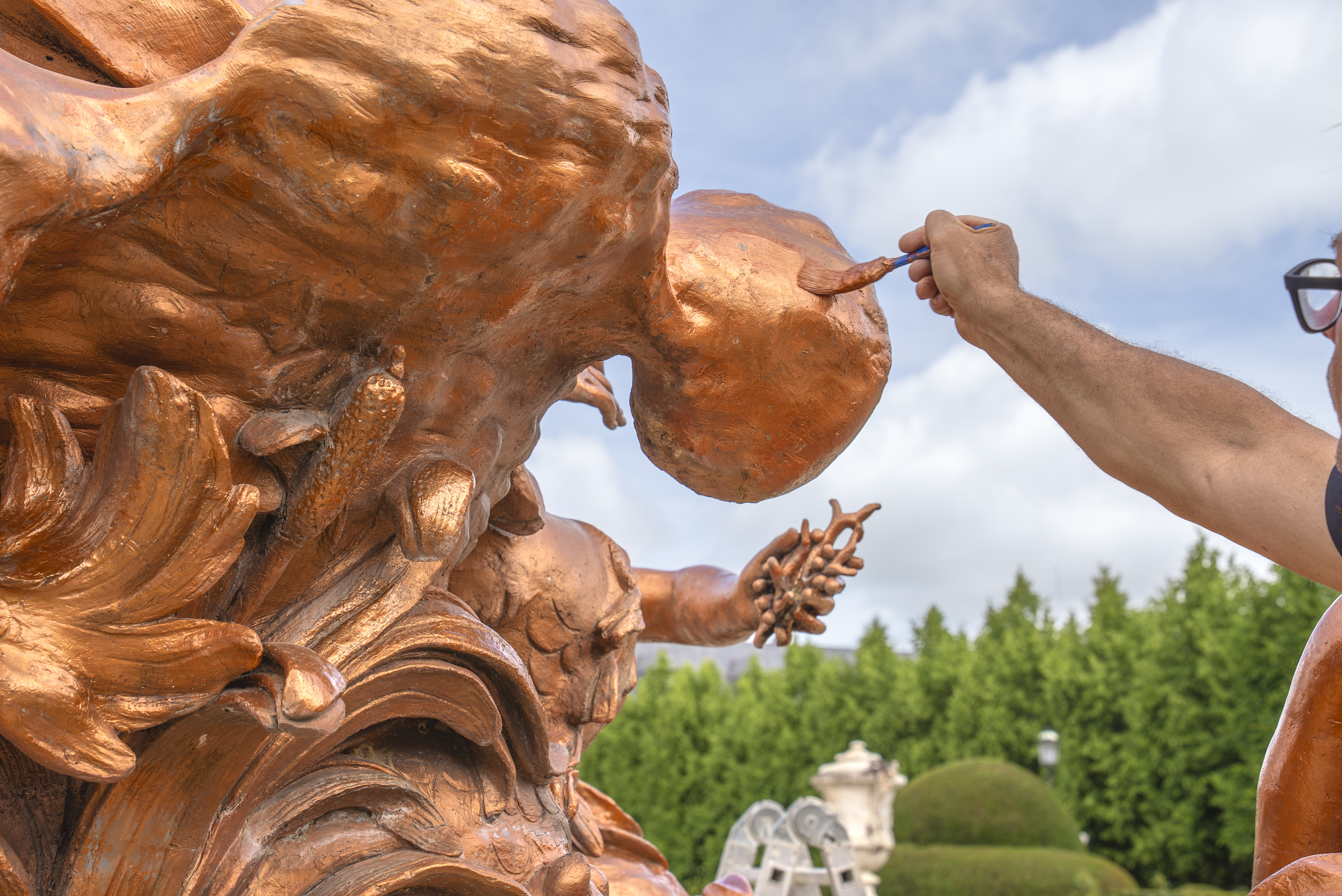
Spain's historical heritage is an asset we must admire and care for. And caring for it requires meticulous, technical work that respects every original piece and mechanism. At Fernández Molina we have had the privilege of taking part in one of the most ambitious restoration projects of recent years: the comprehensive recovery of La Cascada fountain, in the historic gardens of the Royal Palace of La Granja de San Ildefonso.
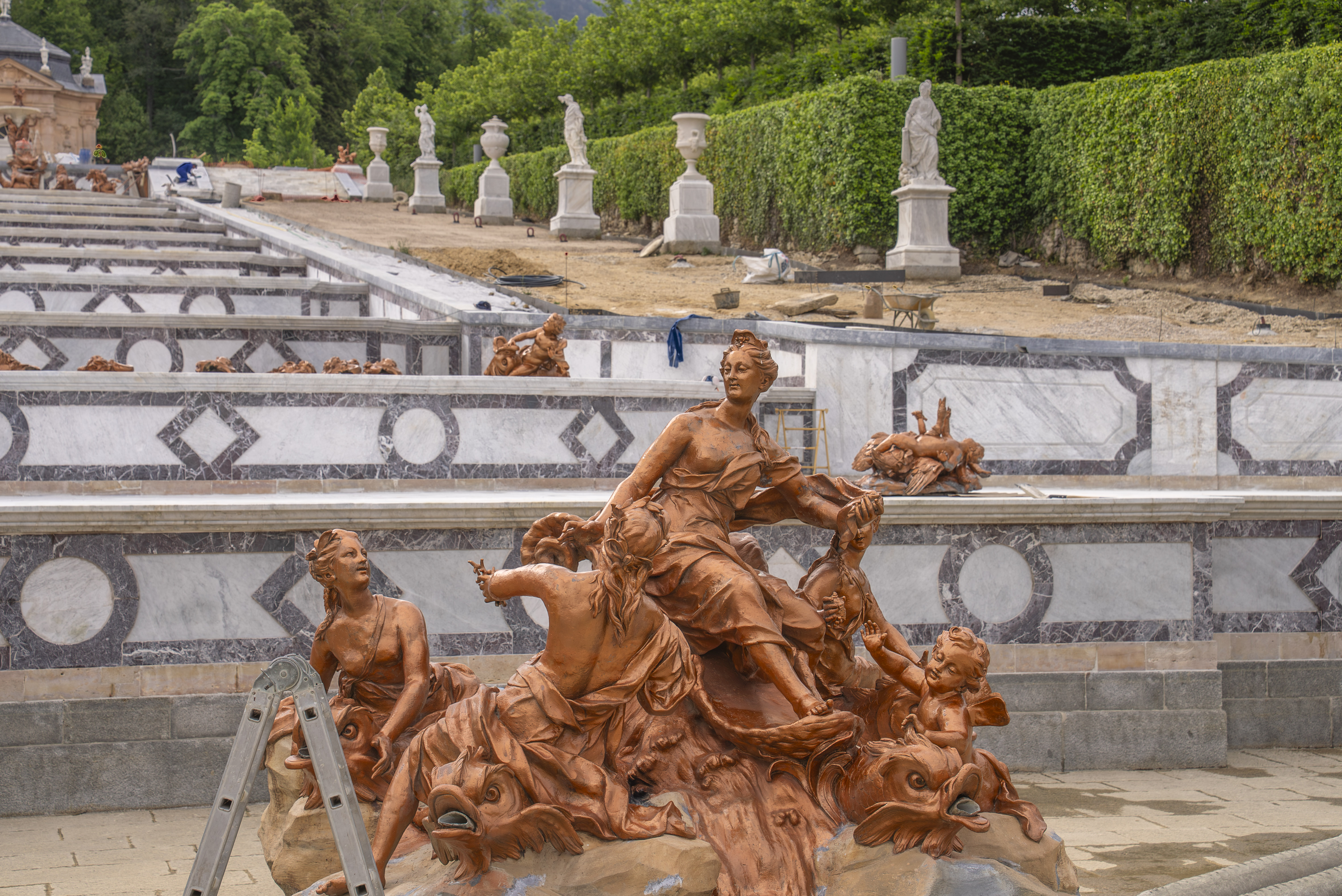
Patrimonio Nacional has just completed this intervention with a special switch-on open to the public, which brought together many visitors to celebrate the return to operation of one of the most emblematic pieces of the Royal Sites. It is one of the institution's largest investments financed with European funds from the Recovery, Transformation and Resilience Plan, and is part of a set of improvement works at the Royal Site exceeding 13 million euros.
An 18th-century work that required a tailored approach
La Cascada is one of the most characteristic settings in the gardens of the Royal Palace of La Granja and one of the finest examples of the artistic legacy of the Bourbon dynasty. It had not worked for more than a decade, and the works, which began in August 2024, have covered its structure, cladding, hydraulic system, sculptures and garden areas.
Intervening in an element of this kind does not allow standard solutions. Every piece, every marble, every water channel and every original mechanism follows an 18th-century construction logic of its own, and recovering it meant travelling back three centuries to understand how it was conceived and how the passage of time has left its mark on it.
Our role in the restoration
At Fernández Molina we have focused our work on several key areas of this intervention:
The result is the full recovery of La Cascada's functionality. The fountain can once again be enjoyed in full operation and will be included in the special fountain switch-on shows scheduled for 25 July and 25 August.
Every intervention on historical heritage is a commitment to preserving our history and our architectural legacy. Projects like this confirm why, after more than 50 years of work, we remain committed to restoration that combines technical rigour with respect for the original. Intervening in a heritage element of this magnitude and with centuries of history requires a balance between innovation and craftsmanship that we at Fernández Molina care for in every detail.
Because restoring is not just about recovering a monument; it means ensuring that its story can continue to be told for many years to come.