Noticias

Construcción
17 November 2025
·
Time
min.


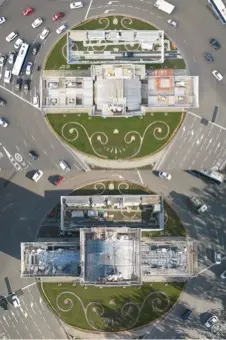
Madrid is a city written in stone and brick. From the Hapsburgs to modernism, every facade tells a story. However, the challenge for owners and managers of these properties is not only to keep that history alive, but also to adapt these centuries-old structures to the habitability and efficiency needs of the 21st century.
At Fernández Molina Obras y Servicios, we have been working for over 50 years under a clear premise: preserving the past while building the future. The rehabilitation of historic buildings in Madrid is a discipline that requires a delicate balance between respect for craftsmanship and technical innovation.
Below, we analyze the keys to successfully undertaking a comprehensive rehabilitation.
Before erecting the first scaffold, it's crucial to understand the property's pathology. A historic building does not behave like a modern reinforced concrete one.
A successful rehabilitation begins with a thorough diagnosis that identifies:
Is it possible for a 19th-century building to be energy efficient? The answer is yes, but it requires tailored solutions.
Unlike new construction, in heritage restoration we cannot always apply standard solutions like ETICS (External Thermal Insulation Composite System) if the facade is protected. In these cases, innovation is key:
Improving efficiency not only reduces energy bills, but also increases the property's value exponentially in today's real estate market.
Technology is vital, but here at Fernández Molina we know that excellence in restoration lies in the hands of artisans.
To restore a classic Madrid facade, a conventional bricklayer isn't sufficient. You need stonemasons who know how to work Colmenar stone, plasterers experts in traditional lime mortars, and zinc and lead specialists for the roofs.
Restoring a damaged molding or cleaning a cornice without harming the original patina is a work of constructive surgery that defines the final quality of the project.
Restoration doesn't end with the handover of keys. Preventive conservation is the smartest strategy to avoid significant future costs. A proper building maintenance plan ensures that the interventions carried out endure, protecting the investment of the homeowners' association or institution.
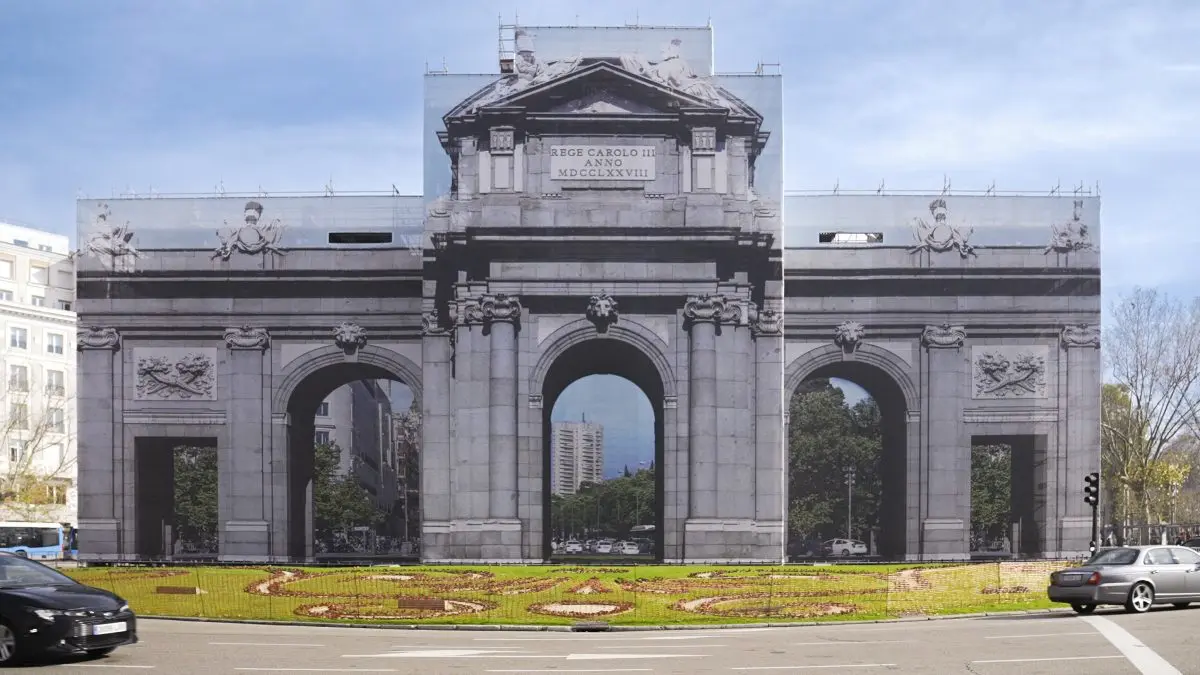
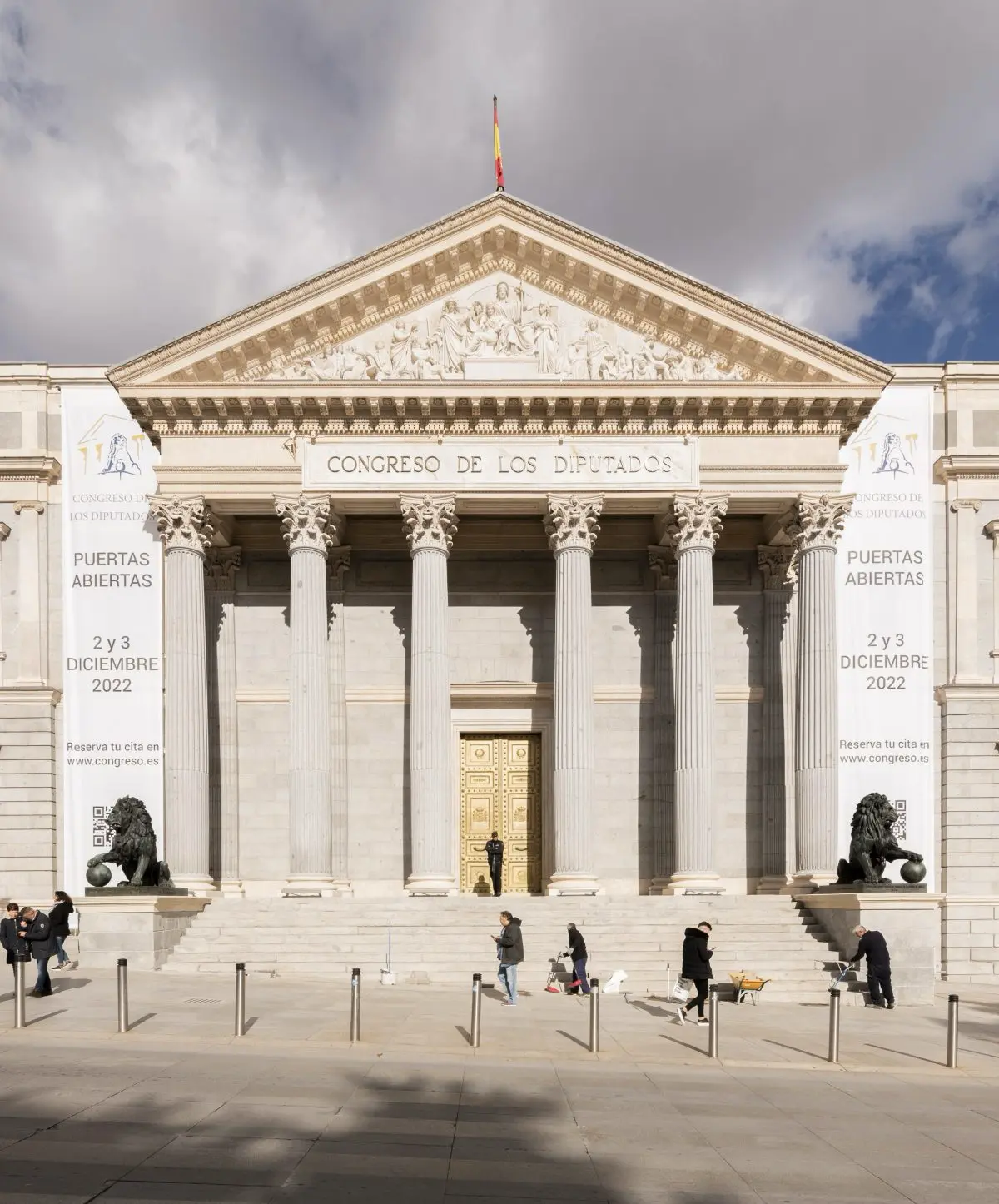
Since 1969, we've had the privilege of working on some of Madrid's most iconic buildings, such as the Congress of Deputies and the Puerta de Alcalá. We apply the same meticulous care and dedication to every residential community and private building we restore.
If you're considering a comprehensive building restoration project in Madrid, at Fernández Molina you'll find a team that understands your building from the foundations to the roof.
Shall we discuss your project?