News

Sustainability
28/08/2026
·
Time
min.


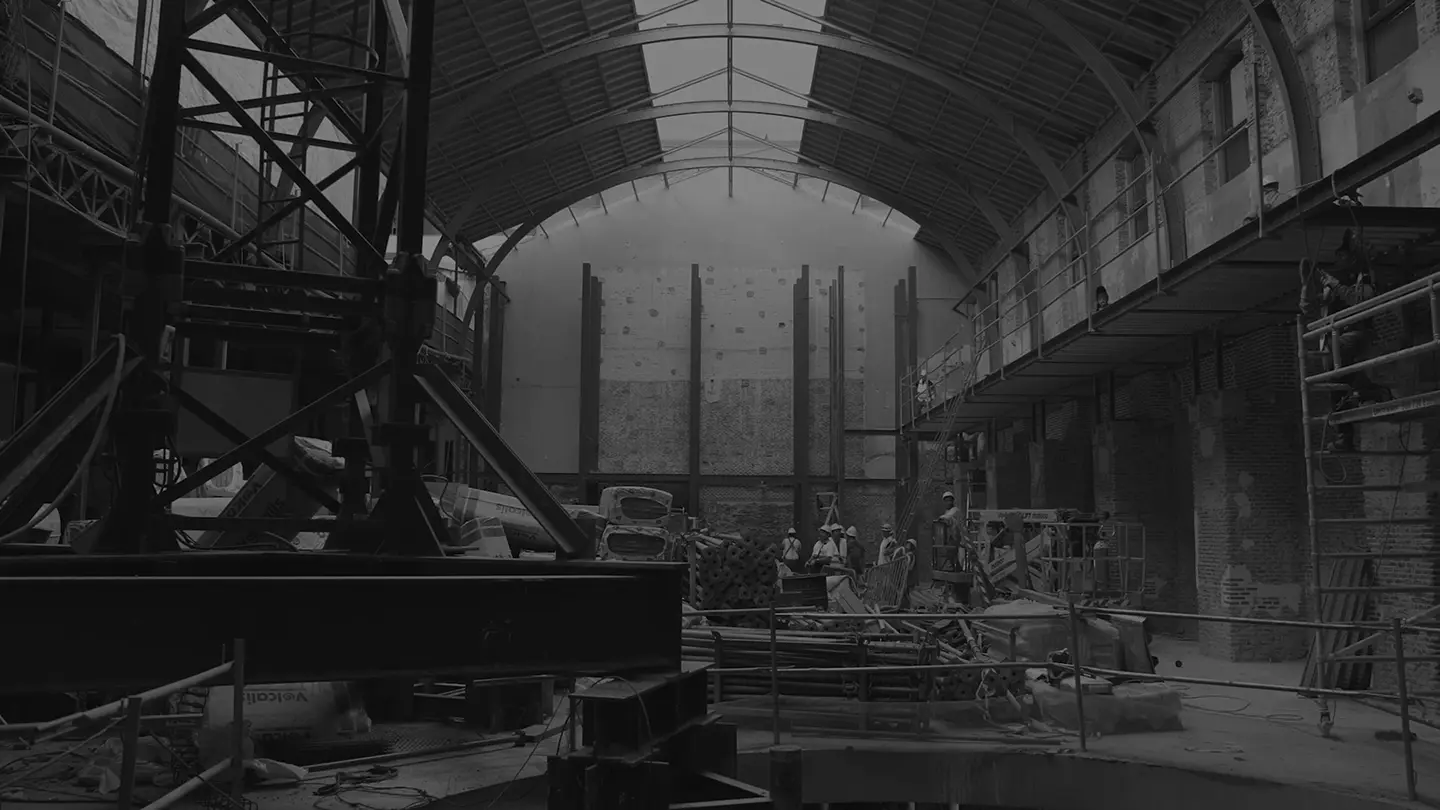
Sustainability is no longer a trend; it has become one of the main drivers of transformation in construction. Evolving European regulations, growing demands from investors and developers, and the adoption of new digital tools are driving a different way of designing, building and managing buildings.
Stricter regulations, new certifications, digitalisation and increasingly conscious demand are redrawing the sector. We review the trends that will shape the coming years.
From materials to life cycle: a new way of measuring sustainability
One of the most significant changes is the evolution in how a building's sustainability is measured.
For years, the analysis focused mainly on the materials used. Today the sector takes a much broader view through the concept of Whole Life Carbon, which assesses a building's environmental impact from the manufacture and transport of materials through to construction, maintenance, rehabilitation and future reuse or demolition.
This approach makes it possible to incorporate sustainability criteria from the earliest stages of a project, when design decisions have the greatest capacity to reduce the building's environmental impact.
Circular economy: building with the "afterwards" in mind
Another major trend is the incorporation of circular economy principles into construction projects.
The goal is no longer just to reduce waste during construction, but to design buildings whose components can be dismantled, reused or recycled at the end of their service life.
The figures show the potential for improvement: construction and demolition waste accounts for approximately 40% of all waste generated in the European Union.
It is increasingly common to talk about design for disassembly, reuse of materials from controlled demolitions, digital material passports and advanced waste management systems from the earliest stages of a project.
Innovation in materials and construction processes
Materials remain a key element, but the debate has evolved.
Beyond using recycled or recyclable materials, the sector is adopting solutions that can significantly reduce the emissions associated with construction: low-emission concrete, recycled steel, certified structural timber and products with Environmental Product Declarations (EPDs), which provide transparent information on their environmental impact.
Materials are no longer selected only on technical or economic criteria, but also on their contribution to the building's overall footprint.
Digitalisation drives more efficient construction
New digital tools are changing the way projects are developed.
Methodologies such as Building Information Modeling (BIM), together with energy simulations, artificial intelligence and digital twins, make it possible to anticipate how buildings will behave before construction begins, optimising consumption, comparing solutions and enabling more efficient decision-making throughout the asset's life cycle.
Sustainability, a strategic factor for the sector
Beyond its environmental impact, sustainability has become an increasingly important criterion for real estate investment and asset management.
ESG indicators, certifications such as BREEAM, LEED and Passivhaus, and increasingly demanding regulations are redefining the way projects are designed and developed, consolidating a construction model focused on efficiency, durability and long-term value.
Fernández Molina's view
The transformation the sector is currently undergoing confirms that sustainability can no longer be seen as an isolated aspect of a project, but as a cross-cutting criterion present in all its phases.
At Fernández Molina we follow this evolution closely because we believe that building with quality means combining innovation, technical knowledge and a long-term vision. Whether in new construction, rehabilitation or heritage restoration, every project is an opportunity to develop solutions that are more efficient, more respectful of the environment and ready to meet the challenges of the construction of the future.
Because the best way to preserve our cities starts with the way we build them today.


