Noticias

Sostenibilidad
16 June 2025
·
Time
min.


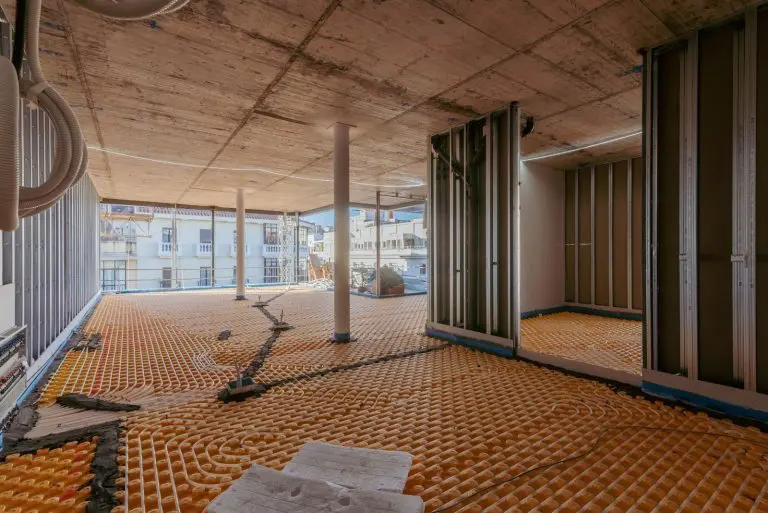
When we talk about HVAC innovation, it's not all about state-of-the-art air conditioners or low-consumption electric heaters. The real revolution lies elsewhere. It's invisible, silent, and absolutely effective. We're talking about radiant cooling and heating floors.
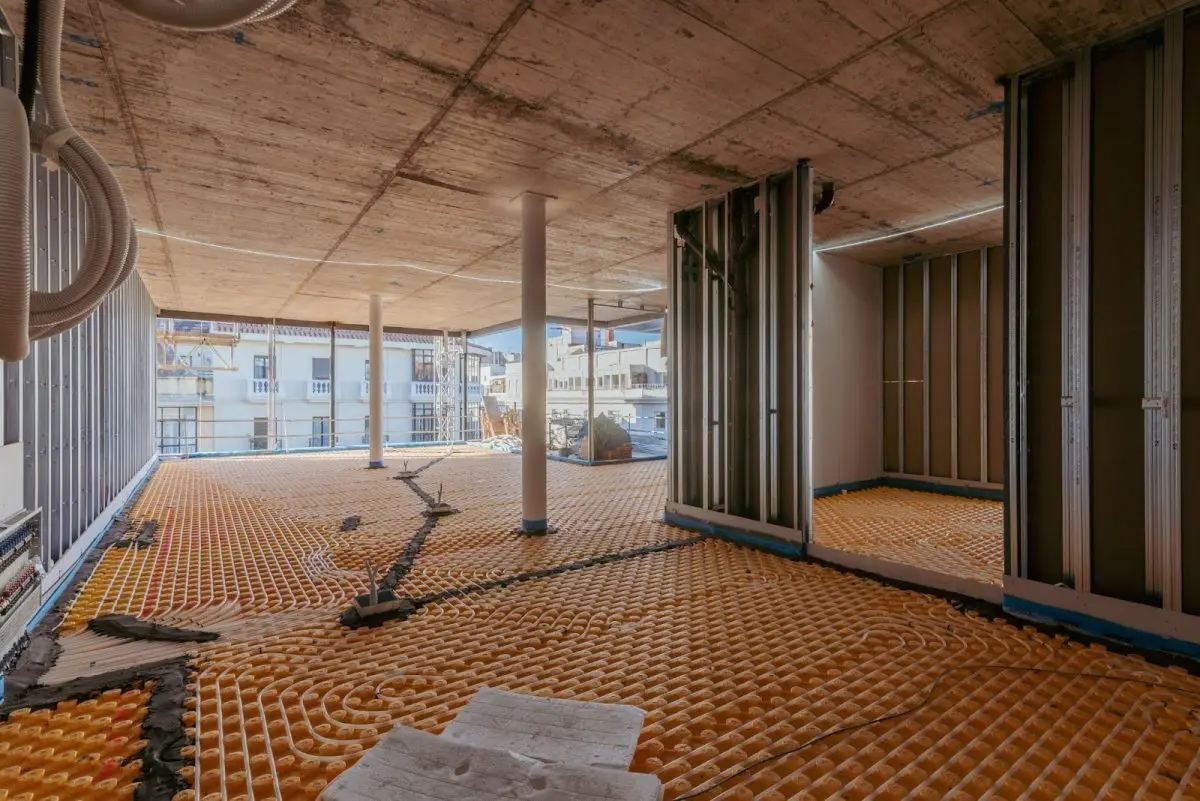
A system that keeps your home at an ideal temperature all year round, with no visible units, no annoying drafts, and significantly lower energy consumption than traditional systems.
If you're considering an energy-efficient renovation or new construction, this article is for you.
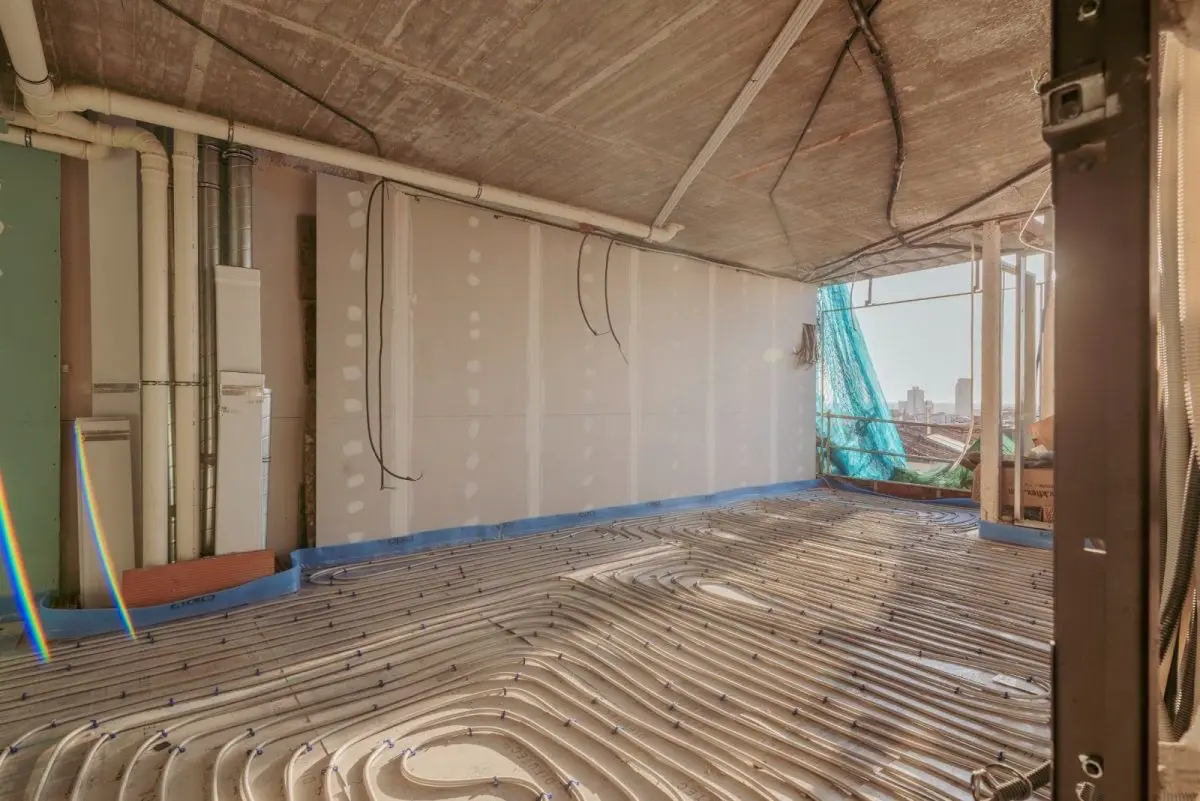
A radiant cooling and heating floor is a surface climate control system that heats or cools spaces through the floor, using a network of pipes embedded under the flooring through which low-temperature water circulates.
The interesting thing is that the same system serves to both heat in winter and cool in summer, providing constant thermal comfort without fluctuations.
No radiators. No split units. No grilles. Just optimal temperature and well-being.
The operation is simple, yet highly effective:
The result? Silent, natural, and low-consumption climate control.
Choosing this system isn't just about aesthetics or comfort. It's a technical decision that provides real long-term value. Its main benefits:
This type of climate control is ideal for both new build homes as well as for energy renovation projects. It is also widely used in:
Although the system is highly efficient, it's important to consider:
Therefore, choosing a qualified technical team is key. It's not just about installing pipes: it's about designing an efficient system, tailored to the specific needs of the building and its users.
The radiant-cooling floor represents one of the most complete and efficient home climate control solutions. Its ability to adapt to different seasons, its low energy consumption, and its positive impact on comfort and aesthetics make it a a smart choice for those seeking quality of life, sustainability, and design.
Whether in a new build home or a renovation project, integrating this system means looking towards the future and anticipating the new demands of contemporary living.