Noticias

Construcción
18 September 2024
·
Time
min.


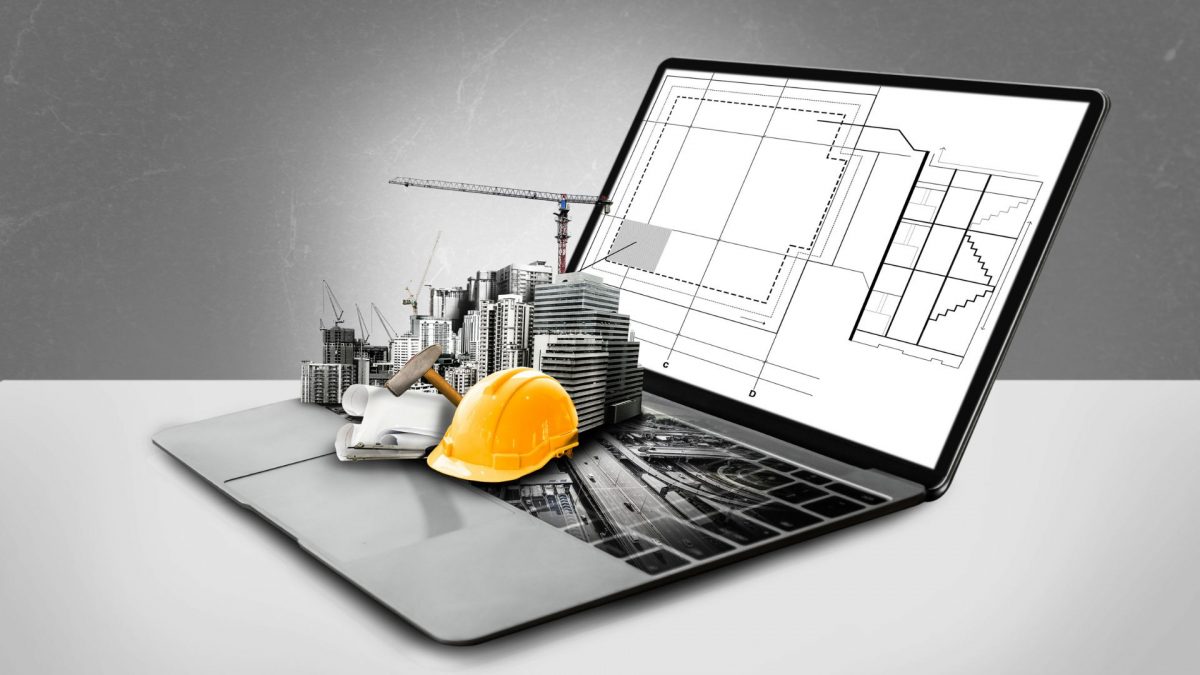
The construction sector, traditionally linked to conventional and manual methods, has witnessed a technological renaissance in recent decades. The integration of advanced technologies has not only allowed for improving project efficiency and precision, but also redefining what is possible in terms of design, sustainability, and safety. In this article, we will explore the most innovative technologies transforming the construction industry.
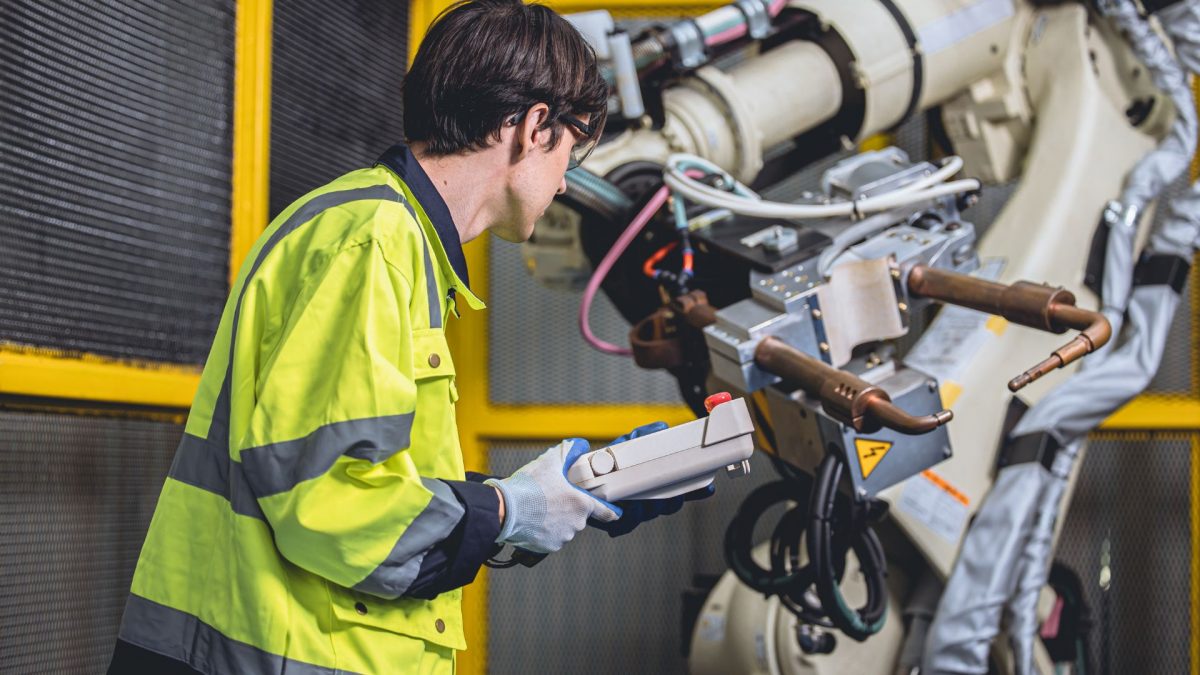
Construction has evolved enormously thanks to the implementation of advanced technologies that once seemed like science fiction. From 3D printingto artificial intelligence (AI), the sector is adopting tools that optimize efficiency, reduce errors, and improve the final quality of projects. Some of the most used technologies include:
In the last decade, the construction industry has adopted technologies such as augmented reality (AR) and artificial intelligence to improve project planning and monitoring. These advancements not only increase design precision but also allow for identifying and solving problems before they occur.
The 3D printing is revolutionizing the way we conceive architectural design. Now, it's possible to create structures that were previously unfeasible due to cost restrictions or technical complexity. Can you imagine a facade with perfect curves and intricate details created effortlessly? With 3D printing, this is a reality.
One of the most impressive benefits of 3D printing is the speed with which structures can be built. While traditional methods require weeks or even months to complete certain project phases, 3D printing can significantly reduce this time. This allows large projects, such as luxury residential complexes, to be completed in record time.
Beyond speed and design flexibility, 3D printing is changing the housing paradigm. In regions with limited access to resources or labor, this technology offers an affordable and efficient solution for building quality homes. For luxury projects, it provides a degree of customization that would be costly or impossible with traditional methods.
autonomous robots are playing a key role in modern construction. These robots can perform tedious and repetitive tasks, such as bricklaying, with millimeter precision. This not only speeds up the process but also reduces errors, resulting in higher quality constructions.
In addition to precision, robots improve safety on construction sites. By performing dangerous tasks, workers can focus on supervising and managing the project, reducing the risk of workplace accidents. All of this contributes to a delivery time that is faster and more efficient.
The autonomous vehicles are another innovation transforming construction. These vehicles can autonomously transport materials within the site, optimizing logistics and ensuring materials arrive at the right place at the right time.
The augmented reality (AR) has burst into the construction world, allowing teams to visualize the project in real-time, right on the construction site. This technology overlays the digital design onto the physical environment, offering a clear perspective of what the final project will look like.
AR also facilitates collaboration among different teams. Architects, engineers, and builders can view the same digital model on the job site, which improves communication and ensures everyone is aligned at every project phase.
Artificial intelligence (AI) is changing how resources are managed in construction projects. By analyzing large amounts of data, AI can identify patterns and suggest the best way to utilize materials and time, reducing waste and optimizing costs.
One of the biggest advantages of AI in construction is its ability to predict risks before they occur. With AI, project managers can anticipate problems and make informed decisions to mitigate them, reducing delays and avoiding cost overruns.
The drones have proven to be an invaluable tool for inspection and monitoring of construction sites. From the air, drones can capture high-resolution images and videos, allowing project managers to assess real-time progress, identify potential issues, and monitor safety.
Furthermore, drones are ideal for topographic mapping and terrain analysis. This facilitates project planning from the earliest stages, ensuring a clear understanding of potential geographical and topographical challenges.
Technology is revolutionizing the construction sector, enabling companies to meet and exceed their clients' expectations. From 3D printing to artificial intelligence and drones, tools that once seemed futuristic are now essential for ensuring high-quality and efficient projects.


