Noticias

Construcción
05 May 2025
·
Time
min.


Residential architecture is experiencing one of its most transformative periods. Today's homes are not just designed for living: they are designed to feel, connect, and care for. And in 2025, this is more evident than ever.
The new architecture addresses needs that were unthinkable just a decade ago: energy efficiency, emotional well-being, flexibility of use, and harmony with the environment. If you're thinking of renovating, building, or simply passionate about the evolution of human habitats, this article is for you.
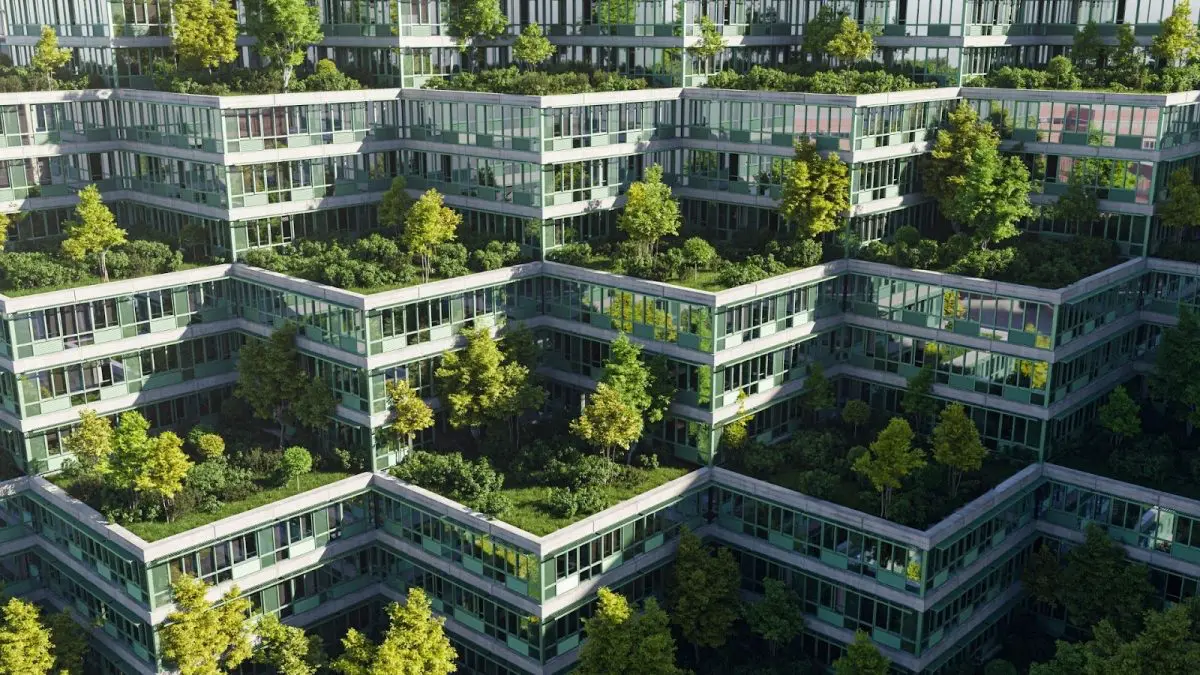
Connection with the natural environment is no longer a luxury but a priority. In 2025, biophilic architecture continues to gain momentum by integrating elements such as:
More than just aesthetics, this approach seeks a direct benefit for the physical and emotional well-being of the home's occupants.
Architectural resilience is emerging as a key trend. It's no longer enough for a home to be beautiful: it must be functional in changing scenarios.
How does this translate?
The goal: to live with greater peace of mind, in any situation.
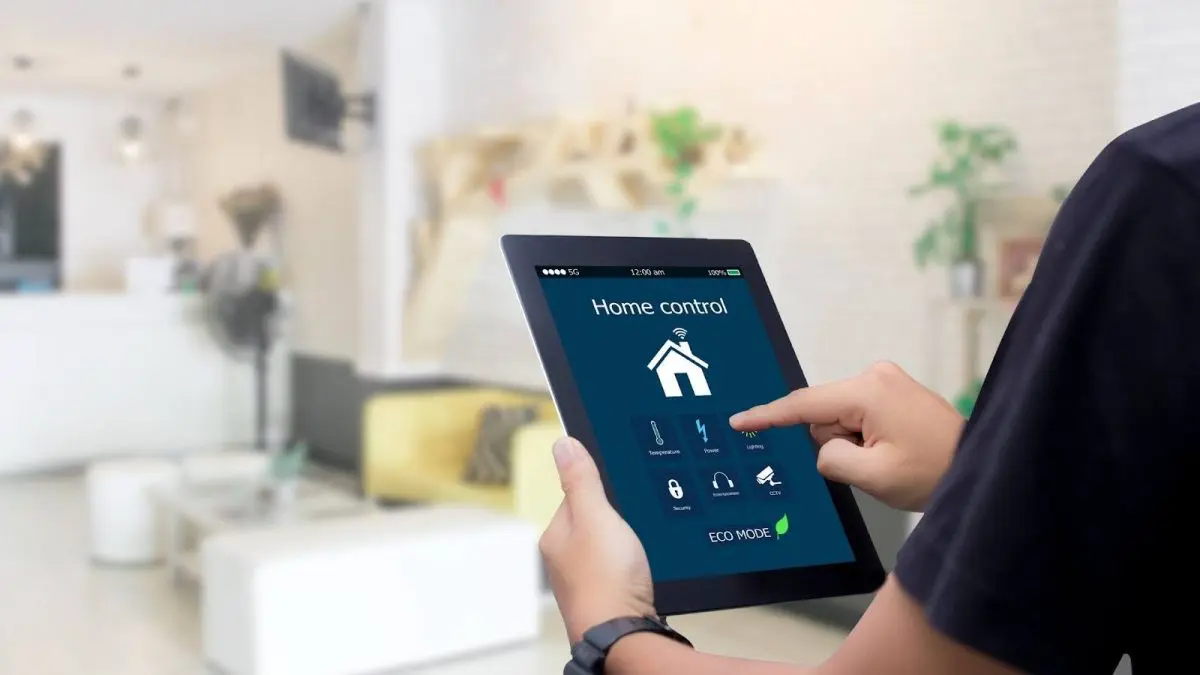
The smart home of 2025 has matured. Now it's not about filling the house with devices, but about integrating them harmoniously and functionally.
Among the most sought-after solutions:
The key is that technology doesn't interrupt life, but rather facilitates and supports it without being noticed.
Sustainability is no longer a "plus"; it has become an ethical and functional obligation. Many new or renovated homes are designed with standards that prioritize:
Furthermore, material traceability is gaining prominence: knowing where they come from, how they are produced, and what impact they have.
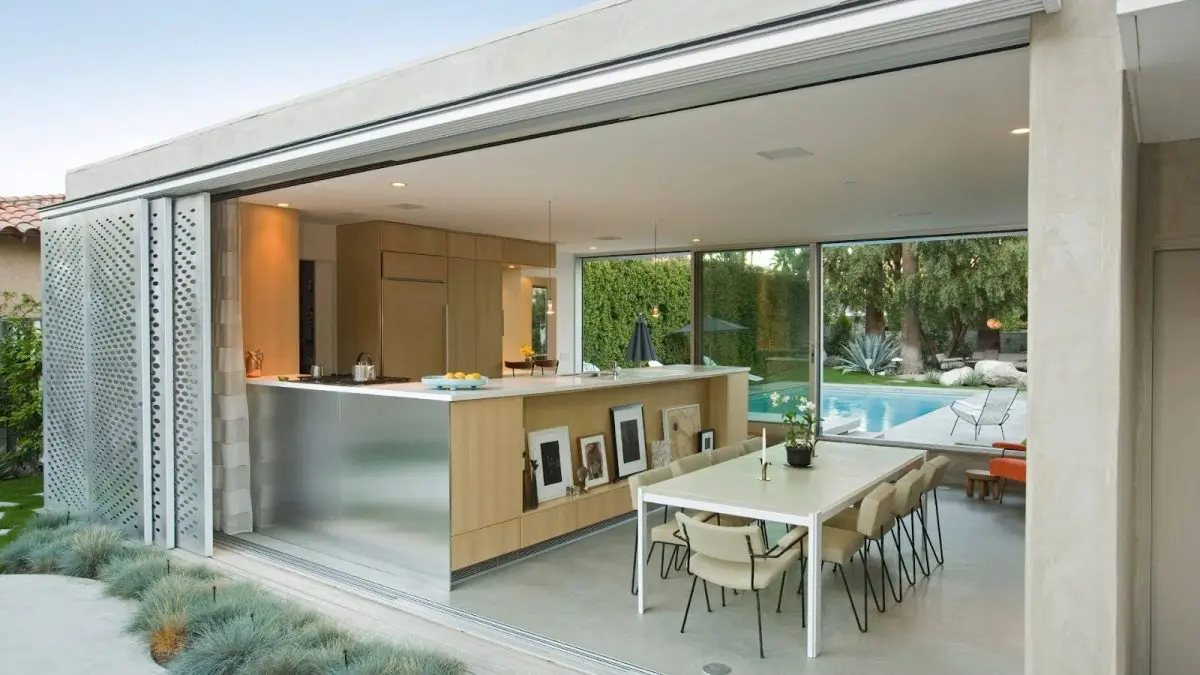
The use of the outdoors as part of the indoors is here to stay. Terraces, balconies, and patios are no longer just transitional areas or occasional enjoyment spots: they are home extensions, ready for use in any season.
Key trends:
The idea is simple: to live more outdoors without leaving home.
In urban and rural areas, the focus is on breathing new life into traditional homes preserving their essence while adapting them to 21st-century standards.
Renovation in 2025 involves:
It's a way to honor the past while building a more sustainable future.
Residential architecture in 2025 is a statement of intent. A way of living that prioritizes the balance between innovation, well-being, and respect for the environment.
Designing a home today means designing quality of life. And in this process, architecture transcends mere form to become emotional, ecological, and human function.
At Fernández Molina, we have been supporting our clients in these kinds of transformations for over 50 years. And we know that building the future also means preserving what matters.